
Centre County Warrant Search Limits
Centre County research did not identify an official standalone online active-warrant list on the Sheriff's Office page. The county Sheriff page says deputies work to apprehend people with active warrants issued from the courts. That means a warrant search should start with the public court docket, the Magisterial District Court or Common Pleas court that issued the warrant, and the Sheriff's Office for service or apprehension questions.
The Centre County Sheriff's Office is at 213 East High Street in Bellefonte and is led by Sheriff Bryan Sampsel. The office serves the Court of Common Pleas and handles warrant apprehension, prisoner transport, civil process, PFAs, custody orders, courthouse security, and related duties.
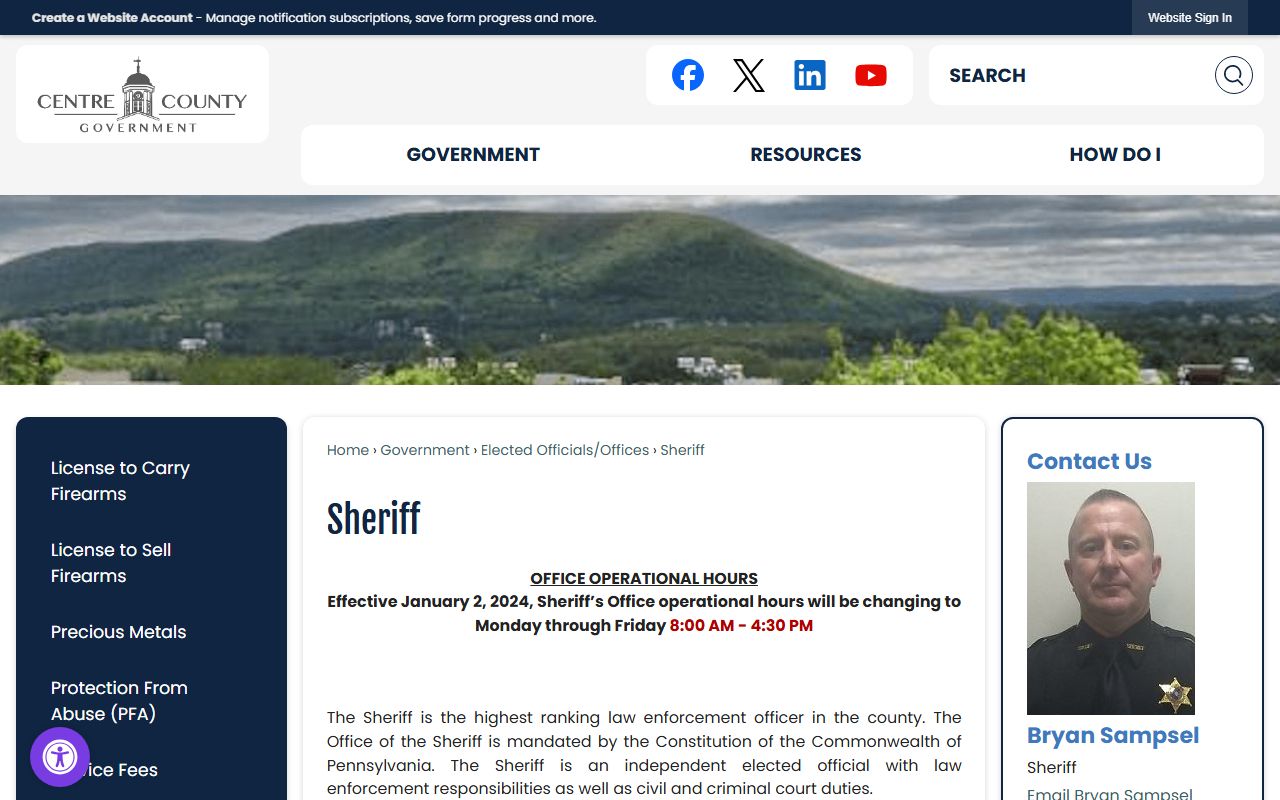
The Sheriff source confirms the office's warrant role, but it does not create a public search screen that clears or confirms every active warrant.
How to Search Centre County Warrants
The most reliable Centre County warrant lookup uses a fallback chain. Start with UJS Case Search for public docket entries. Then contact the court shown on the case, especially the Magisterial District Court for summary, traffic, landlord-tenant, bail, preliminary arraignment, or preliminary hearing matters. For Common Pleas events, the Prothonotary and Clerk of Courts can help with docket and copy requests. The Sheriff's Office may handle service or apprehension, but phone advice should not be treated as legal clearance.
| Channel | How to Use It | What It Covers |
|---|---|---|
| UJS Case Search | Search by participant name, docket number, OTN, complaint number, citation number, or incident number and filter to Centre County. | Public docket entries that may show bench warrants, bail, failure to appear, or criminal proceedings. |
| Magisterial District Court | Call the MDJ office listed on the citation, complaint, or docket. | Bench warrants, traffic warrants, preliminary arraignment, bail, and preliminary hearing events. |
| Sheriff's Office | Call 814-355-6803 or use the office address for official contact. | Warrant service and apprehension duties. |
| Prothonotary and Clerk of Courts | Request Common Pleas docket copies through Room 102 or the records email. | Common Pleas case events involving public warrant-related entries. |
| Right-to-Know route | Use the county open-records contacts for administrative records. | Administrative records, not a substitute for resolving a warrant. |
The county open-records page identifies official request channels, including sheriff and court contacts. The Centre County Open Records Request page is useful for administrative records, but normal court case access still follows court-record procedures.
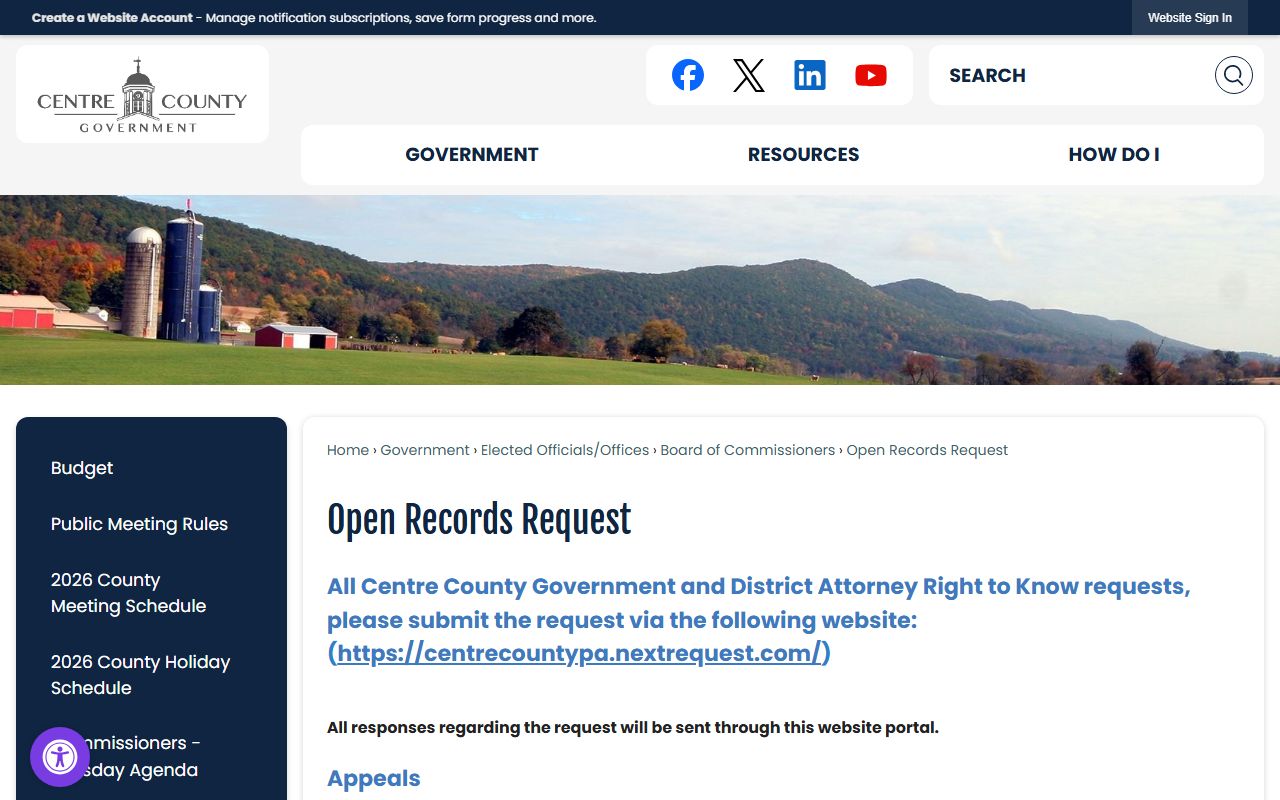
Open-records routing is helpful for office records, but it should not be used as the first step to surrender, quash, or confirm an active court warrant.
Centre County Warrant Types
Centre County warrants can arise from several court or law enforcement actions. A bench warrant may follow a missed hearing or contempt issue. An arrest warrant may follow a new criminal complaint. Search warrants authorize a search, and those records may be sealed while an investigation is active. Traffic-related warrants and failure-to-appear events are often tied to the MDJ court named on a citation.
The court level affects the next step. A summary traffic warrant or failure-to-appear matter may stay with the Magisterial District Court printed on the citation. A felony case, probation issue, or Common Pleas bench warrant may require contact with the Court of Common Pleas, counsel, or the Clerk of Courts. Sheriff staff may execute a warrant, but the issuing court controls recall, quash, bail, and hearing orders.
- Arrest warrant: A court order authorizing arrest in a criminal matter.
- Bench warrant: A judge-issued warrant often tied to missing court, contempt, or failure to comply.
- Probation or parole violation warrant: A warrant tied to alleged supervision violations.
- Search warrant: A court order authorizing a search of a place, item, device, or record.
- Traffic-related warrant: A warrant or warrant-like court action tied to unpaid or unanswered traffic matters.
- Fugitive or extradition warrant: A warrant tied to custody transfer or an out-of-jurisdiction case.
Centre County Warrant Record Fields
Because Centre County does not publish a standalone Sheriff warrant listing in the researched sources, the public fields usually come from UJS docket sheets and court files. A docket may show a warrant event without showing the full warrant document. Sealed search warrants, juvenile warrants, and enforcement-sensitive details may not be public.
| Field | What It May Show |
|---|---|
| Case or docket number | The Common Pleas or Magisterial District Court case tied to the warrant event. |
| Issuing court | The MDJ office or Court of Common Pleas division connected to the warrant. |
| Party name | The defendant, respondent, or person named in the public docket entry. |
| Event entry | Bench warrant, warrant issued, warrant lifted, bail event, or failure-to-appear notation. |
| Bail or hearing date | Release terms or the next court date if those details are public. |
| Related charge or citation | The charge, citation, or docket matter connected to the warrant entry. |
Right-to-Know requests in Centre County can be filed through NextRequest for county government and District Attorney administrative records. The Centre County NextRequest portal is not a warrant-resolution tool, but it is part of the documented request-channel inventory.
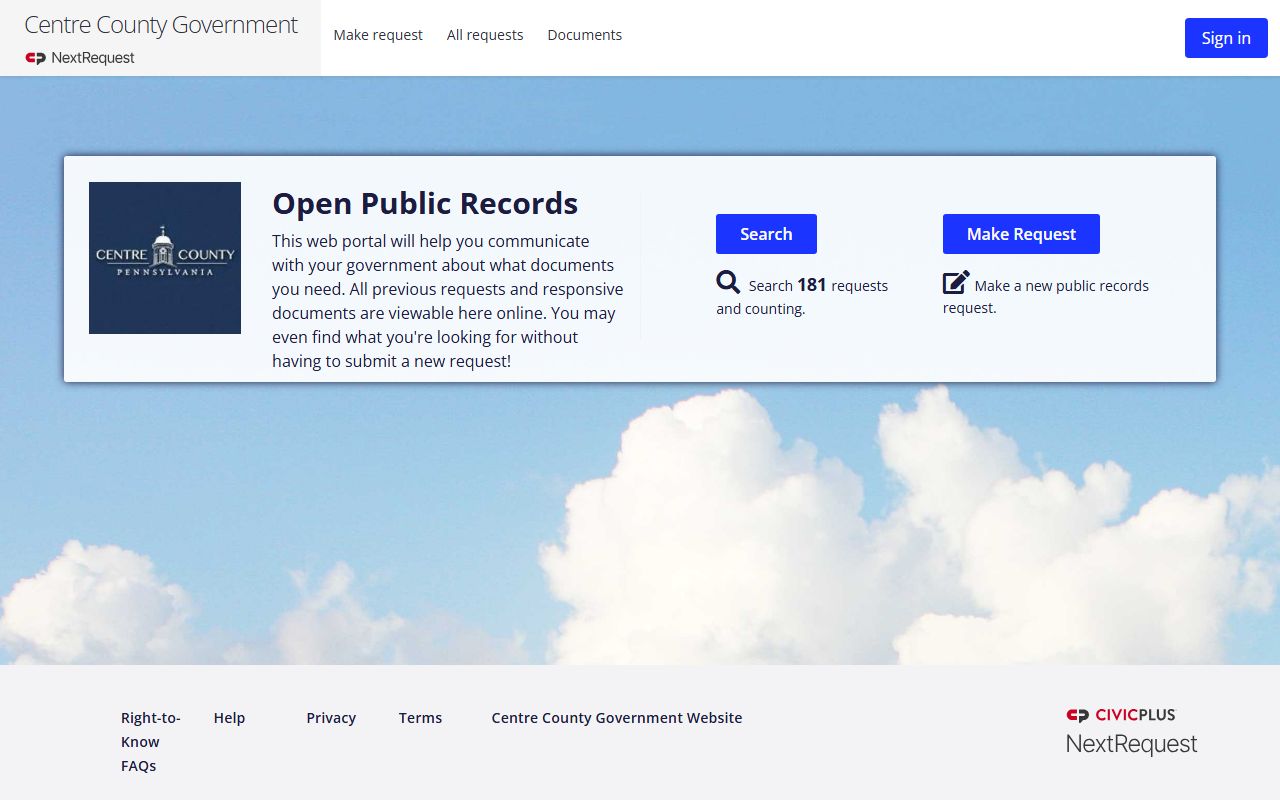
NextRequest can route public-record requests, while active warrant questions still need the court, counsel, or law enforcement contact that controls the case.
Resolving Centre County Warrants
A person who thinks a Centre County warrant exists should not depend only on a website search. Data may lag, sealed records may not appear, and public docket entries may omit enforcement details. The practical path is to identify the issuing court, contact counsel if possible, confirm bail or appearance instructions, and resolve the matter through the court. Some eligible costs may be payable through PAePay, but payment alone does not always lift a warrant.
- Find the docket, citation, complaint, OTN, or court paperwork that identifies the issuing court.
- Contact an attorney or the court before appearing if arrest, bail, or custody is possible.
- Ask the issuing court what appearance, payment, bail, or surrender process applies.
- Get written or docket confirmation that the warrant was lifted, recalled, satisfied, or otherwise resolved.
Central Booking may become relevant when a person has MDJ paperwork or is processing a criminal matter. The Centre County Central Booking page states that appointments are required and that users should bring photo ID and all MDJ paperwork.
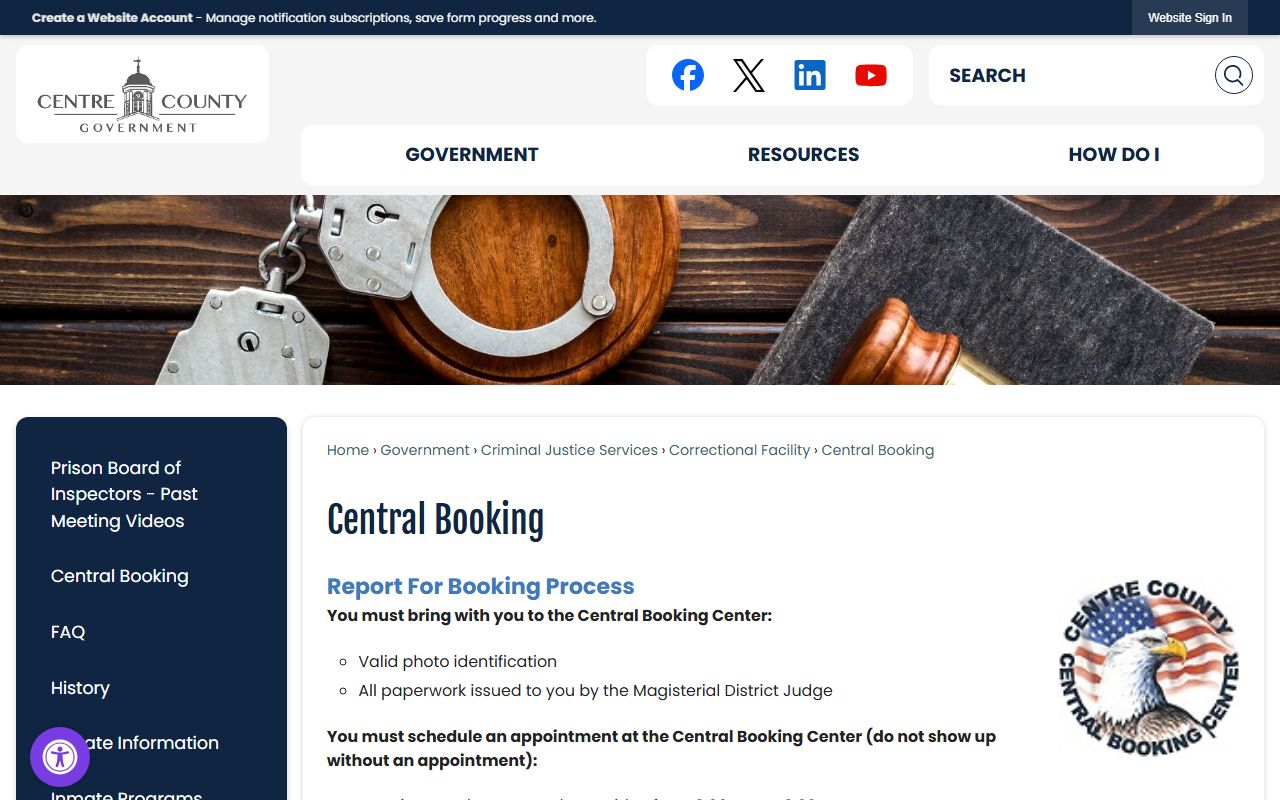
Central Booking information is useful for logistics, but it does not replace legal advice or a direct order from the issuing court.
Important: Do not treat a missing online entry as proof that no Centre County warrant exists.
Restricted Centre County Warrants
Some warrant records are restricted because public release would harm an investigation, reveal confidential information, involve a juvenile, or conflict with a court order. Search warrants are often less visible than bench-warrant docket entries. Juvenile matters are restricted by Pennsylvania law, and sealed warrants should not be expected to appear in a public search.
The Pennsylvania Right-to-Know Law is important for government records, but court case records follow judiciary access rules and warrant enforcement may involve additional limits.
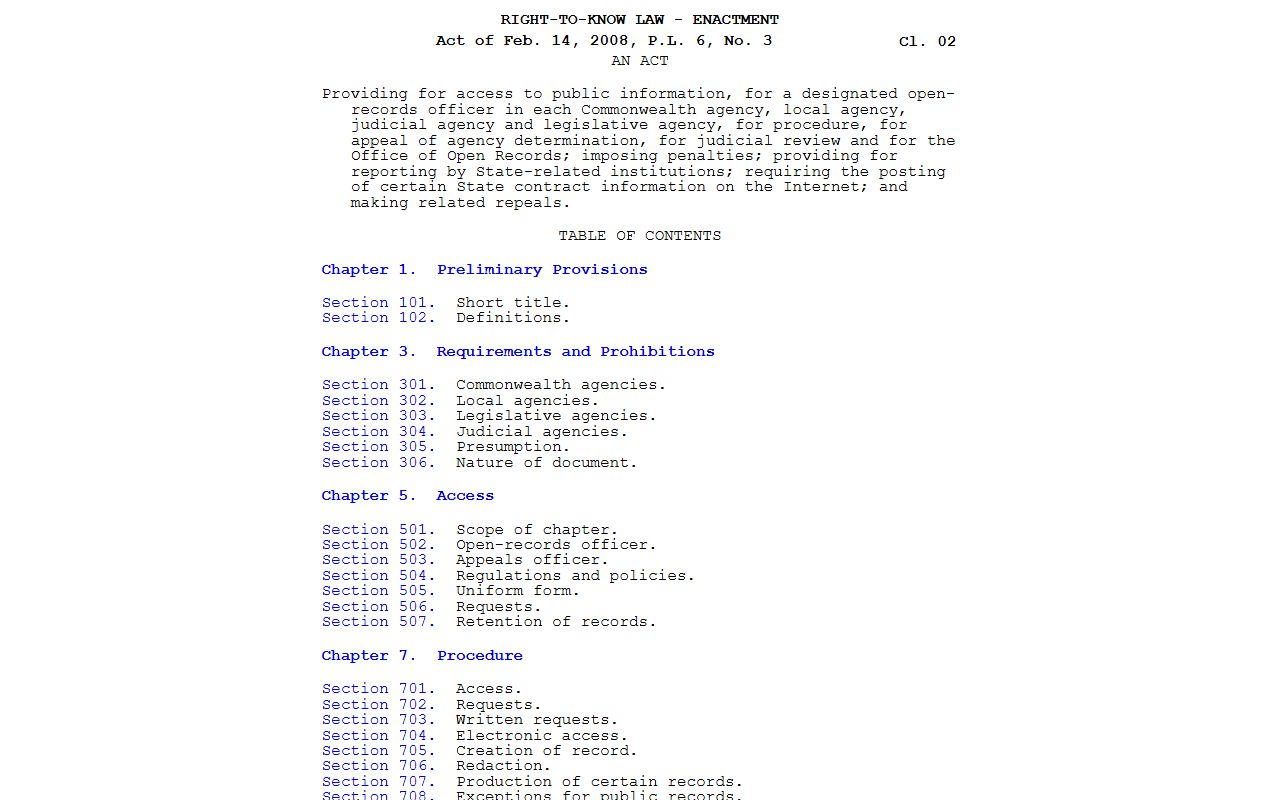
For warrant research, the law helps frame records access, but the warrant itself must be handled through the court or agency with authority over it.
Note: Sheriff, court, and Right-to-Know channels answer different questions, so use the issuing court for active warrant resolution.
Centre County users should also separate warrant records from custody records. VINE or the jail phone line may show that a person is in custody, but it will not explain every warrant event or court order. The public criminal docket is the better source for charge status, bail events, and later disposition after an arrest.